
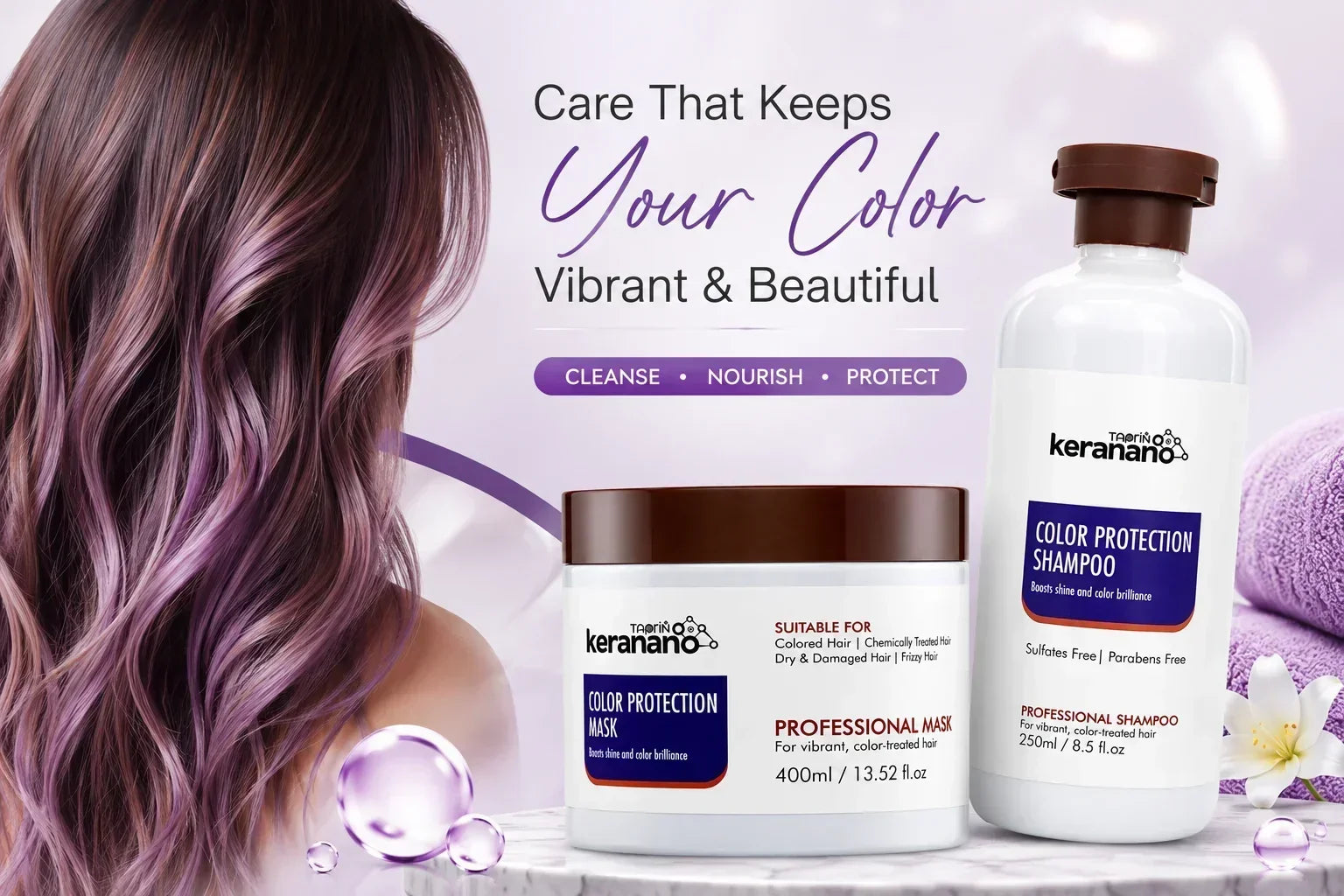
Coloring your hair is one of the easiest ways to refresh your look, whether you choose a bold fashion shade, soft highlights, balayage, or full grey coverage. However, maintaining that fresh salon color requires more than washing. Colored hair goes through a chemical process that changes the hair structure, making it more sensitive to dryness, fading, and environmental damage.
Many people notice that their hair color starts looking dull within a few weeks, even after spending time and money at the salon. This usually happens because the hair cuticle becomes more open after coloring, allowing pigments to wash away more easily.
Why Colored Hair Needs Special Care
Hair coloring changes the natural structure of the hair strand. During the coloring process, the cuticle layer opens so color molecules can enter the cortex. After coloring, the cuticle does not always close completely, making colored hair more vulnerable to moisture loss. This is why freshly colored hair often feels rougher than untreated hair if it is not cared for properly.
Colored hair is also exposed to additional stress from:
-
UV rays
-
Frequent washing
-
Heat styling
-
Pollution
-
Hard water
-
Chemical treatments
What Causes Hair Color to Fade Faster?
Many people assume fading is unavoidable, but daily habits play a major role.
1. Frequent Washing
Every wash removes a small amount of pigment. Using a yellow cutter shampoo helps cleanse the scalp without stripping excessive color.
2. Heat Styling
Straighteners, curling irons, and blow dryers remove moisture from colored hair. High temperatures also weaken the cuticle, allowing color molecules to escape more easily.
3. Sun Exposure
UV radiation gradually oxidizes hair pigments. Over time, bright shades become dull while darker shades lose richness.
4. Hard Water
Minerals present in hard water leave deposits on the hair shaft. These deposits reduce shine and make colored hair feel rough.

Build a Healthy Hair Washing Routine
The way you wash your hair matters as much as the products you use. Massage the scalp gently instead of scrubbing aggressively. Rinse with lukewarm water because very hot water opens the cuticle further.
Choose a professional hair shampoo designed for colored or chemically treated hair. Products enriched with ingredients like Hydrolyzed Hyaluronic Acid, Hydrolyzed Pea Protein, Panthenol (Vitamin B5), and Arginine help support moisture while cleansing the scalp.
Why Conditioning Is Not Enough
Conditioners mainly smooth the outer surface of the hair. Colored hair often needs deeper nourishment because chemical processing affects the internal moisture balance.
This is where a hair spa mask becomes useful. Hair masks remain on the hair longer, allowing conditioning ingredients to coat damaged areas and improve softness. Using a hair spa mask once or twice a week can help reduce roughness while improving manageability.
Understanding Yellow Tones in Colored Hair
People with blonde, highlighted, silver, ash, or grey hair often notice unwanted warm tones after a few weeks. These yellow or brassy tones develop because of oxidation, minerals, pollution, and repeated washing.
Professional salons often recommend specialized products for maintaining cooler shades. A yellow cutter shampoo is commonly used to neutralize unwanted yellow tones while refreshing the appearance of cool colored hair. Using it only as needed helps maintain a balanced tone without overusing color correcting products.
When Should You Use a Yellow Cutter Hair Mask?
After neutralizing unwanted yellow tones, hair may still require hydration. A yellow cutter hair mask combines color maintenance with conditioning support.
It helps improve softness while making hair easier to comb after chemical treatments. People with highlighted, bleached, silver, or platinum hair often include a yellow cutter hair mask in their weekly care routine to maintain a smoother appearance.

Everyday Habits That Protect Colored Hair
Small lifestyle changes can make a noticeable difference.
1. Avoid very hot water: Cooler water helps keep the cuticle smoother.
2. Limit heat styling: Whenever possible, let hair air dry partially before using heat tools.
3. Use a wide tooth comb: Wet colored hair is more fragile and breaks easily.
4. Protect hair outdoors: Hats or scarves reduce direct UV exposure.
5. Trim regularly: Regular trims help remove split ends before they travel upward.
Common Mistakes People Make After Hair Coloring
Many people unknowingly reduce the life of their hair color.
Some common mistakes include:
-
Washing hair immediately after coloring.
-
Using harsh cleansers regularly.
-
Excessive heat styling without protection.
-
Skipping deep conditioning.
-
Spending long hours in direct sunlight without protection.
Conclusion:
Colored hair deserves a little extra attention because chemical treatments naturally increase dryness and make hair more vulnerable to fading. A consistent care routine focused on gentle cleansing, regular deep nourishment, and protection from everyday damage can help keep hair looking vibrant for longer.


