
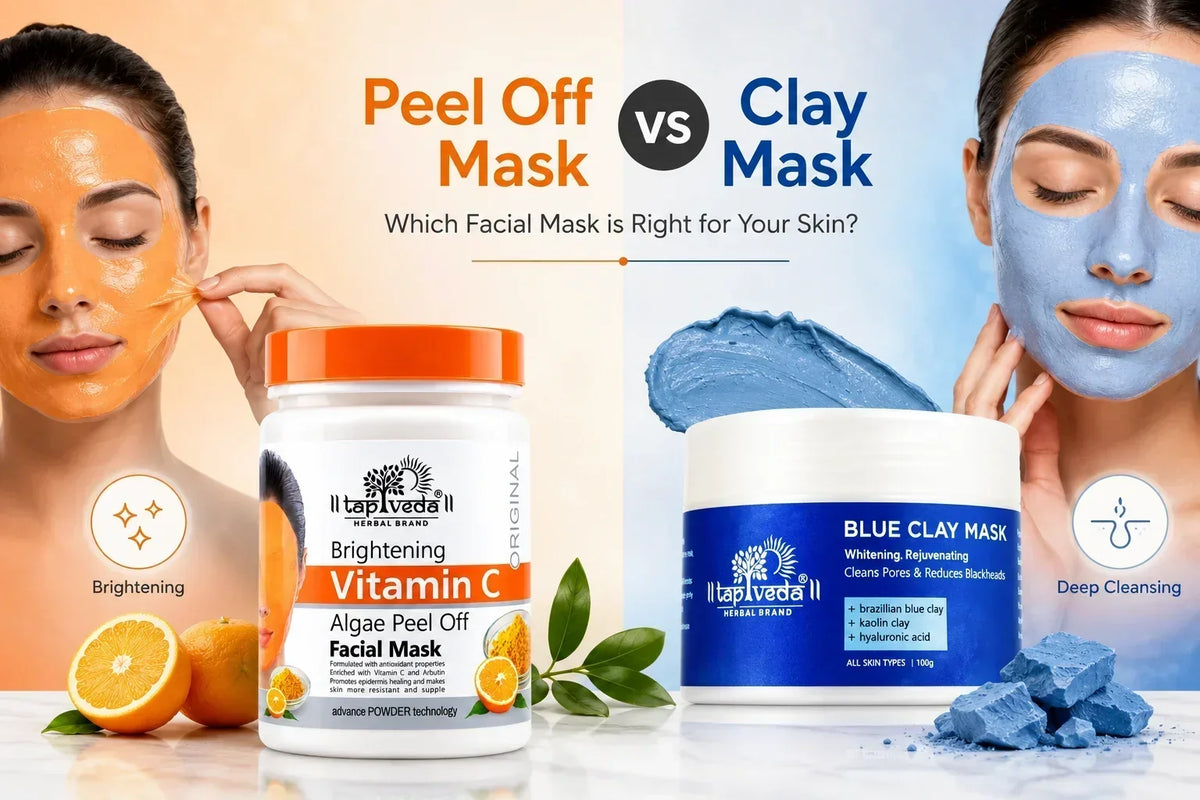
Healthy skin begins with choosing the right facial mask for your skin type and concerns. With so many skincare options available, many people often wonder whether they should use a peel off mask or a clay mask. While both products help improve skin appearance, they work in different ways and provide different benefits.
What Is a Facial Mask?
A Facial Mask is a concentrated skincare treatment designed to deliver targeted benefits within a short period. Unlike daily cleansers or moisturizers, masks remain on the skin for several minutes, allowing active ingredients to work more effectively.
Different masks are formulated to address different concerns:
-
Excess oil
-
Dryness
-
Dullness
-
Uneven texture
-
Enlarged pores
-
Tired looking skin
Understanding Peel Off Masks
Peel off masks create a thin layer over the skin that dries before being gently removed. As the mask lifts away, it helps remove surface impurities, excess oil, and dead skin cells that may make the complexion appear dull.
Many peel off formulas also include skin conditioning ingredients that support smoother and brighter looking skin after use. One popular option is a vitamin c peel off mask, which combines gentle exfoliation with brightening ingredients for a refreshed appearance.

What Is a Clay Mask?
A clay mask works differently from a peel off mask. Instead of forming a removable film, it absorbs excess oil while drawing impurities from the skin's surface.
Clay masks are especially popular among people with oily or combination skin because they help reduce excess sebum without harsh scrubbing. A blue clay mask is commonly chosen for its oil absorbing properties while leaving the skin feeling cleaner and more balanced after use.

How Do Peel Off Masks Work?
Peel off masks primarily focus on surface exfoliation. As the mask dries, it forms a flexible layer that adheres to dead skin cells and surface debris. Once removed, the skin often feels smoother and appears brighter because dull surface buildup has been lifted away.
A vitamin c peel off mask also introduces brightening ingredients during the treatment, making it suitable for people who want skin that looks fresher after regular use. The process is gentle when used correctly and should never involve forceful peeling.
How Do Clay Masks Work?
Clay masks function through absorption rather than peeling. Natural clay particles attract excess oil and impurities from the skin. As the mask dries, it helps leave the skin feeling refreshed while reducing shine.
A blue clay mask is especially useful for people experiencing oily areas, clogged pores, or skin that feels greasy throughout the day. Unlike peel off masks, clay masks are washed away with water after the recommended application time.
Peel Off Mask vs Clay Mask: Key Differences
Although both products fall under the facial mask category, they serve different skincare purposes.
|
Peel Off Mask |
Clay Mask |
|
Removes surface buildup |
Absorbs excess oil |
|
Helps improve skin smoothness |
Helps balance oily skin |
|
Focuses on gentle exfoliation |
Focuses on deep cleansing |
|
Leaves skin looking brighter |
Leaves skin feeling purified |
|
Removed by peeling |
Removed with water |
Which Skin Types Benefit Most?
Different skin types respond differently to mask treatments.
Dry or Dull Skin: People with dry or tired-looking skin may prefer a vitamin c peel off mask because it focuses on improving surface texture and supporting a brighter appearance.
Oily Skin: People experiencing excess oil often benefit from a blue clay mask, as it helps absorb oil without excessive rubbing.
Combination Skin: Combination skin can benefit from using both treatments on different days depending on the skin's needs.
When Should You Use Each Mask?
Choosing the right timing is just as important as selecting the right product.
Use a Peel Off Mask When:
-
Your skin looks dull.
-
You want smoother feeling skin.
-
You're preparing for a special event.
-
You want gentle surface exfoliation.
Use a Clay Mask When:
-
Your skin feels oily.
-
Pores appear congested.
-
You need a refreshing deep cleanse.
-
Your face develops excess shine during the day.
Can You Use Both in One Routine?
Yes but not at the same time.
Using both masks together during one session may lead to unnecessary dryness for some skin types. Instead, alternate between them throughout the week according to your skin's condition.
Simple Tips for Better Results
Regardless of which facial mask you choose, following a few basic steps can improve your skincare routine.
-
Begin with clean skin before applying any mask.
-
Apply an even layer according to product directions.
-
Avoid leaving the mask on longer than recommended.
-
Follow with a moisturizer to help maintain skin comfort.
-
Use sunscreen during the day, especially after exfoliating treatments.
Conclusion:
Choosing between a peel off mask and a clay mask doesn't have to be complicated. Both offer unique skincare benefits when used correctly. The best skincare routine isn't about using more products it's about using the right products at the right time.


